
Extinguisher Compliance That Prevents Citations
Portable fire extinguishers in Omaha for businesses requiring proper placement and annual inspections to meet Nebraska fire marshal requirements
Nebraska fire codes specify maximum travel distances to extinguishers based on building use and hazard classification, meaning your facility layout determines how many units you need and exactly where they must mount. Businesses receive violation notices during fire marshal inspections when extinguishers are missing, obstructed, improperly rated for the hazard class, or past due for annual service, and those citations carry correction deadlines that can disrupt operations if not addressed immediately. Stanek Fire Protection conducts monthly inspection services with detailed compliance documentation that demonstrates your facility meets state fire marshal requirements at all times, preventing citations before inspectors arrive.
Each inspection includes checking pressure gauges, verifying tamper seals, confirming accessible mounting locations, and documenting inspection dates on service tags attached to every unit. Extinguishers showing low pressure, physical damage, or expired annual service receive immediate replacement with properly rated units while your originals undergo hydrostatic testing and recharge at certified facilities. The service generates written records showing inspection dates, unit locations, and service actions, which fire marshals require during compliance reviews.
Arrange an extinguisher compliance audit to verify current placement meets travel distance requirements and rating matches hazard classifications.
What Proper Extinguisher Placement Accomplishes
Correct placement ensures that anyone in your building can reach an appropriate extinguisher within the code-specified travel distance, which ranges from 30 feet for high-hazard areas to 75 feet for standard commercial spaces. Each extinguisher receives a rating for specific fire classes—Class A for ordinary combustibles, Class B for flammable liquids, Class C for electrical equipment, or combination ABC ratings for multiple hazard types. Kitchens require Class K units for grease fires, while server rooms need clean-agent extinguishers that suppress electrical fires without damaging electronic components.
You'll notice inspection tags display the current month punched or marked, providing visual confirmation that units received recent service without needing to check detailed records. Monthly inspections catch problems like blocked access, damaged hoses, or missing safety pins before fire marshals cite those conditions during their visits. Annual servicing includes complete teardown, internal inspection, refill or replacement of agent, and hydrostatic testing for units reaching their test interval, ensuring every extinguisher will discharge properly when needed.
Building modifications such as added workstations, relocated equipment, or new storage areas often create travel distance violations by blocking extinguisher access or extending distances beyond code limits. Monthly inspection services identify these issues immediately and reposition units or add supplemental extinguishers to restore compliance before your next fire marshal visit.
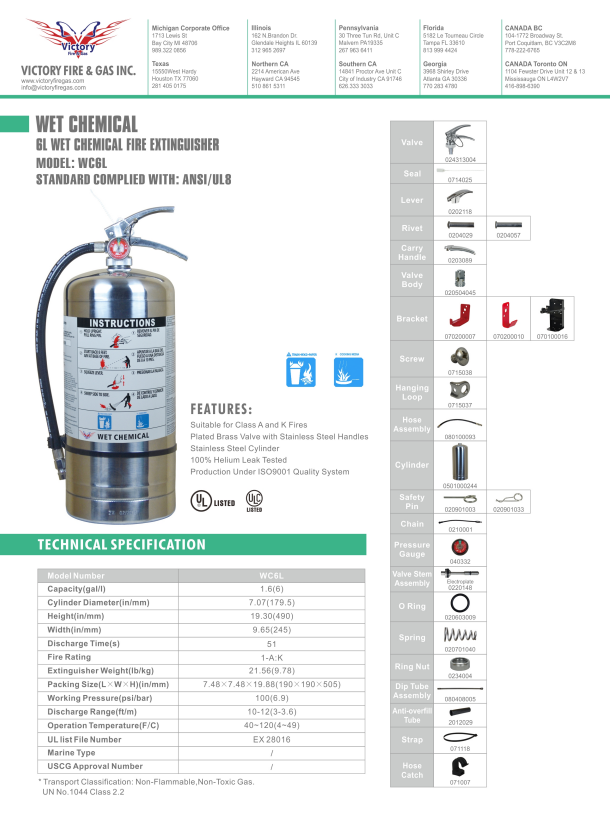
Portable Fire Extinguishers
Common Questions About This Service
Business owners across Omaha and surrounding Nebraska communities need straightforward answers about extinguisher requirements, inspection frequency, and what constitutes code compliance. These questions address the most frequent concerns during facility inspections.
What determines how many fire extinguishers a building needs?
Travel distance limits set by fire code, building square footage, hazard classification of each area, and specific equipment or processes that require dedicated protection all factor into extinguisher quantity and placement calculations.
How often must portable extinguishers receive professional inspection?
Monthly visual inspections verify units remain accessible and pressurized, while annual servicing by certified technicians includes internal examination, and hydrostatic testing occurs every five to twelve years depending on extinguisher type and manufacturer specifications.
What happens during annual fire extinguisher service?
Technicians remove each unit, verify gauge accuracy, inspect internal components for corrosion or damage, refill or replace suppression agent, update service tags with current date, and return units to proper mounting locations with documentation.
Why do Omaha businesses need documented extinguisher inspections?
Nebraska fire marshals require written proof that extinguishers receive monthly checks and annual service, and missing documentation results in citations even when units appear functional and properly placed.
When should extinguishers be replaced rather than recharged?
Units showing physical damage, corrosion, failed hydrostatic tests, or outdated agent types require replacement, as do extinguishers recalled by manufacturers or made obsolete by updated fire code requirements.
Stanek Fire Protection provides 24-hour emergency extinguisher service when units discharge during fire events or fail inspection, with 52 years of compliance expertise backed by full licensing, bonding, and insurance. Schedule monthly inspection service to maintain continuous documentation and avoid fire marshal citations.